
Ethical Jewelry: What You Should Really Be Looking For
“Ethical jewelry” has become a popular phrase.
But what does it actually mean?
If you’re reading this, chances are you care. You don’t just want something beautiful, you want something aligned. Something that reflects your values, not just your style.
So rather than telling you what to buy, this article is here to give you something more useful:
A framework.
A way to evaluate any jewelry brand including ours so you can make decisions that feel informed, intentional & empowering.

Step One: Look Beyond the Word “Ethical”
Bali has become known for conscious living. Slower mornings. Local makers. Connection over consumption.
But “ethical” is often used loosely.
True ethical jewellery begins with responsibility:
-
Where do the materials come from?
-
Who is making the piece?
-
Are they paid fairly?
-
Is production small & considered, or mass-manufactured?
Ethics also extend beyond sourcing. It includes durability.
Because something that lasts 10 years is far more sustainable than something replaced every 10 months.
Which brings us to something many shoppers overlook…
Step Two: Understand Cost-Per-Wear
We’re often conditioned to think in terms of upfront price.
But conscious shopping shifts the question from:
“How much does it cost?”
to
“How long will it last me?”
This is called cost-per-wear theory.
If you buy a necklace for $300 and wear it three times a week for five years, the cost per wear becomes incredibly small.
Jewelry is one of the best examples of this theory, unlike clothing you might wear five times & forget. A quality ring or necklace becomes part of your daily uniform.
The more you wear something, the more sustainable it becomes.
So when evaluating jewelry, ask:
-
Will this tarnish quickly?
-
Is the base metal strong & valuable?
-
Can it be repaired or re-plated?
-
Will I still love this in five years?
Longevity is sustainability in action.
Step Three: Know Your Materials
Material quality is everything.
Ask questions like:
-
Is it solid gold, gold vermeil, or lightly plated?
-
How many microns of gold plating are used?
-
What is the base metal?
Here’s something important:
Gold plating is not inherently “bad.”
In fact, high-quality gold vermeil over sterling silver is a beautiful, more accessible option, especially when the base metal underneath is valuable & durable.
Sterling silver holds its structure, can be polished, repaired & even re-plated after years of love.
Some brands (like us) offer re-plating services so your piece can be refreshed rather than replaced, extending its life instead of sending it to landfill.
Where issues arise is when jewelry is made with thin, low-quality base metals that bend, tarnish & can’t be restored. Once damaged, they’re often impossible to revive, making them disposable. Disposability is the opposite of ethical.

Step Four: If Solid Gold Is Within Reach
Solid gold is a beautiful investment, if it’s within your budget & aligned with your priorities.
It won’t tarnish.
It holds intrinsic value & it can last generations.
For heirloom pieces, milestone gifts, or something you plan to wear every day for decades, solid gold is a powerful choice.
That said, the “best” option isn’t about hierarchy, it’s about alignment.
High-quality sterling silver & well-crafted gold vermeil are also thoughtful, lasting options when made properly.
Ethical shopping isn’t about pressure, it’s about awareness.
Step Five: Look at the Hands Behind the Jewelery
Ethics aren’t just about materials.
They’re about people.
Is the jewelry machine-made in anonymous factories?
Or handcrafted by artisans using skills passed down through generations?
There’s something deeply meaningful about wearing a piece shaped by human hands by makers who are seen, valued & supported.
Small-batch production preserves traditional craftsmanship. It keeps heritage techniques alive. It supports families, not corporations.
When you buy jewelry, you’re not just buying metal.
You’re supporting a supply chain.
Make sure it’s one you believe in.
Step Six: Research the Brand’s values
Before investing in jewelry, take a moment to ask:
-
Is the brand women-led?
-
Do they give back to environmental or social causes?
-
What countries are they supporting?
-
Do their values align with yours?
Ethical shopping becomes powerful when your money supports the change you want to see.
Transparency matters.
Look at reviews. Read their story. Notice how they communicate.
Can you reach them easily? Do they answer questions? Do they stand behind their product?
Customer service is part of ethics too. A brand should be available long after the purchase especially if repairs, resizing or re-plating are needed.
Connection builds trust.
Buying Less & Buying Better
Ethical jewelry isn’t about having more, it’s about choosing intentionally.
Fewer pieces & Better materials. Timeless design over fast trends.

When every piece in your collection holds meaning, getting dressed becomes easier. More refined. More personal.
That’s where true luxury lives, not in excess, but in alignment.
A Final Thought
If there’s one thing to take away from this, let it be this:
Don’t just ask whether something is beautiful.
Ask whether it’s built to last.
Ask who made it. Where it came from, who you’re supporting in buying this piece.
Ask whether you’ll still love it years from now.
Because ethical jewelry isn’t about perfection.
It’s about making thoughtful choices & wearing them with pride.
If you’re ever curious about materials, sourcing or craftsmanship, come in, ask questions, feel the weight & learn.
Awareness is where conscious shopping begins.
MORE INSPIRATION...
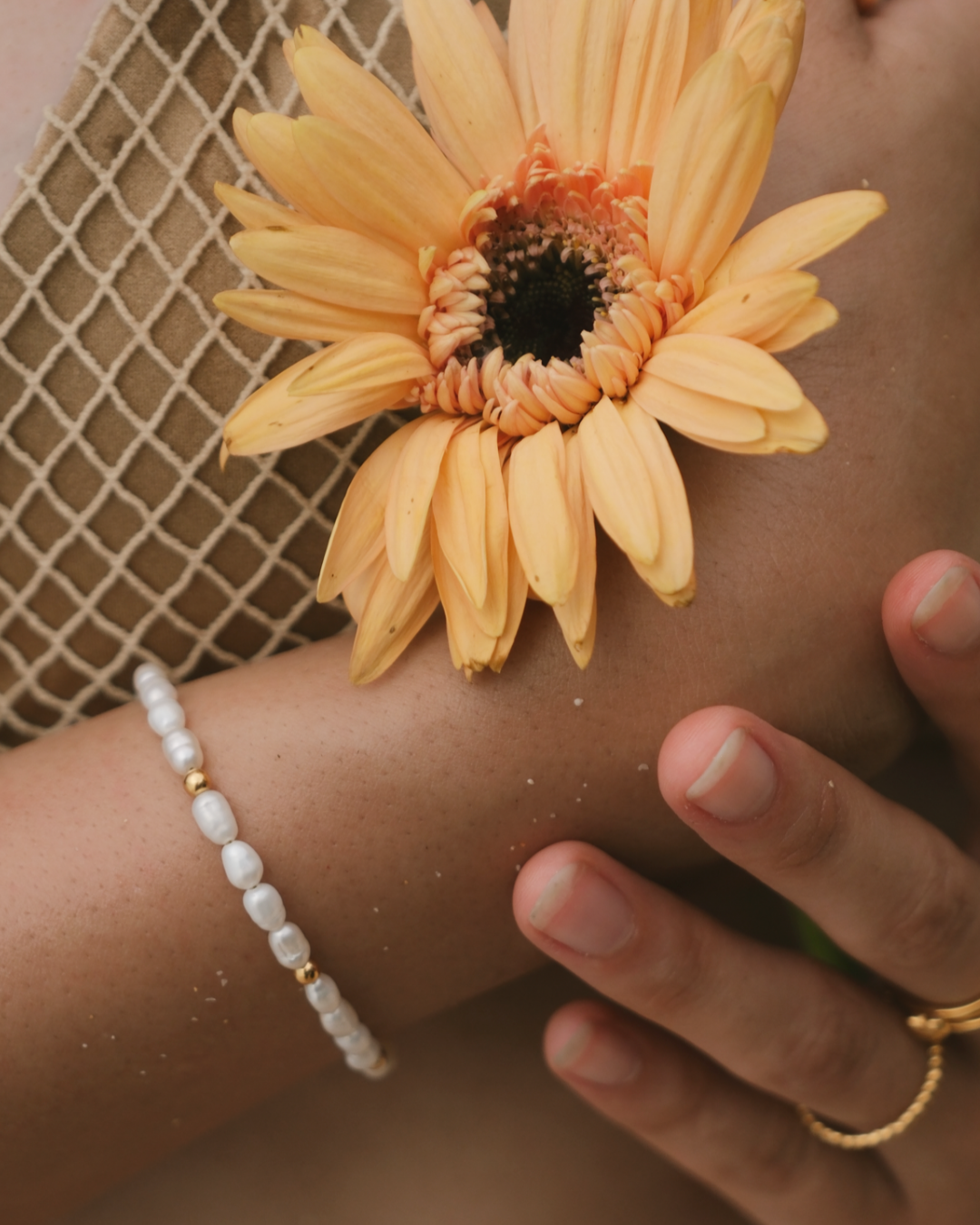
Bracelet stacking is an effortless way to express personal style through layered jewellery. By combining chain bracelets, natural stone pieces, and pearls, you can create texture, movement, and dep...
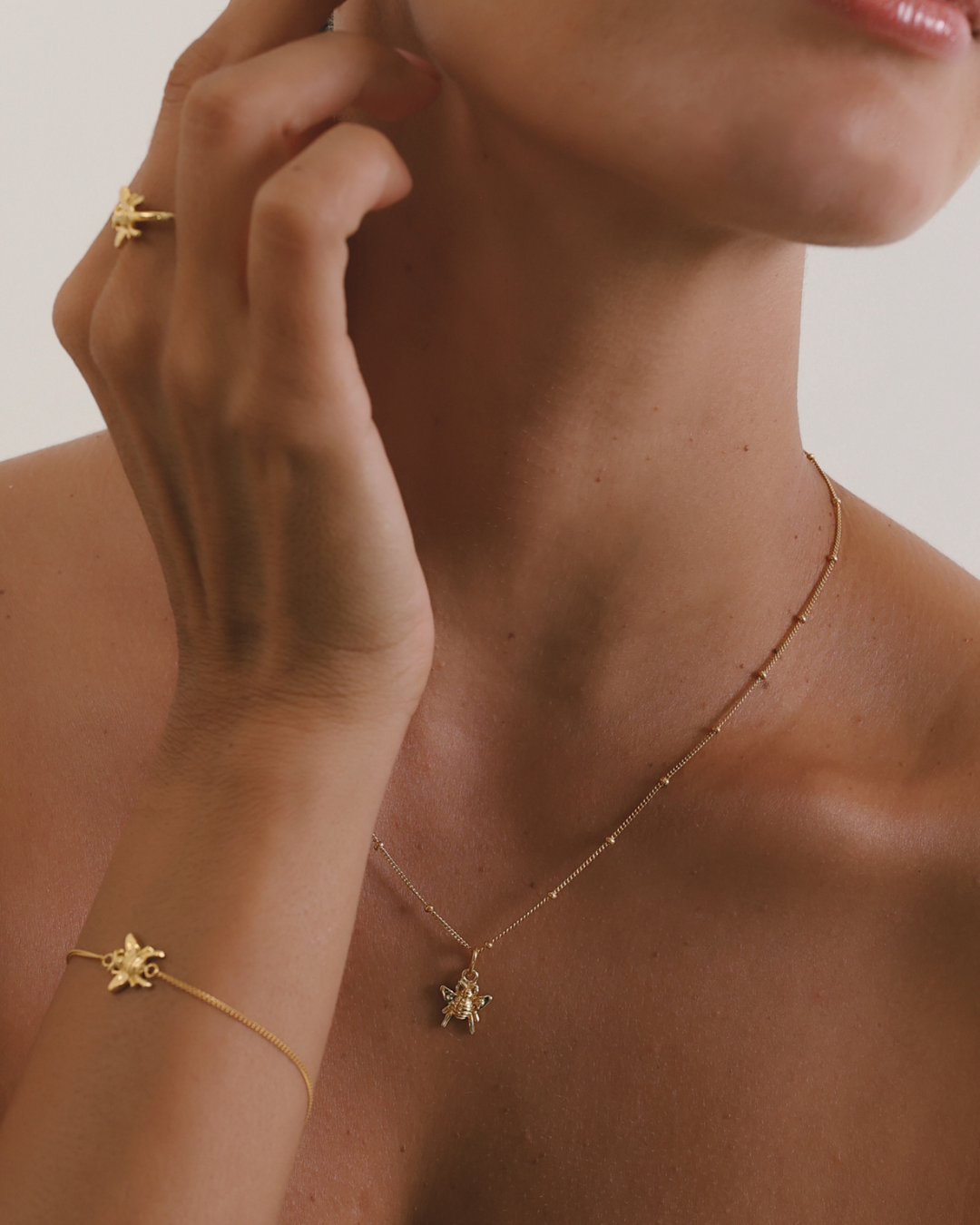
The Honeybee Capsule is a limited-edition, circular jewelry collection born from our "Golden Giveback" programme. By transforming old, broken jewelry contributed by over 100 community members into...
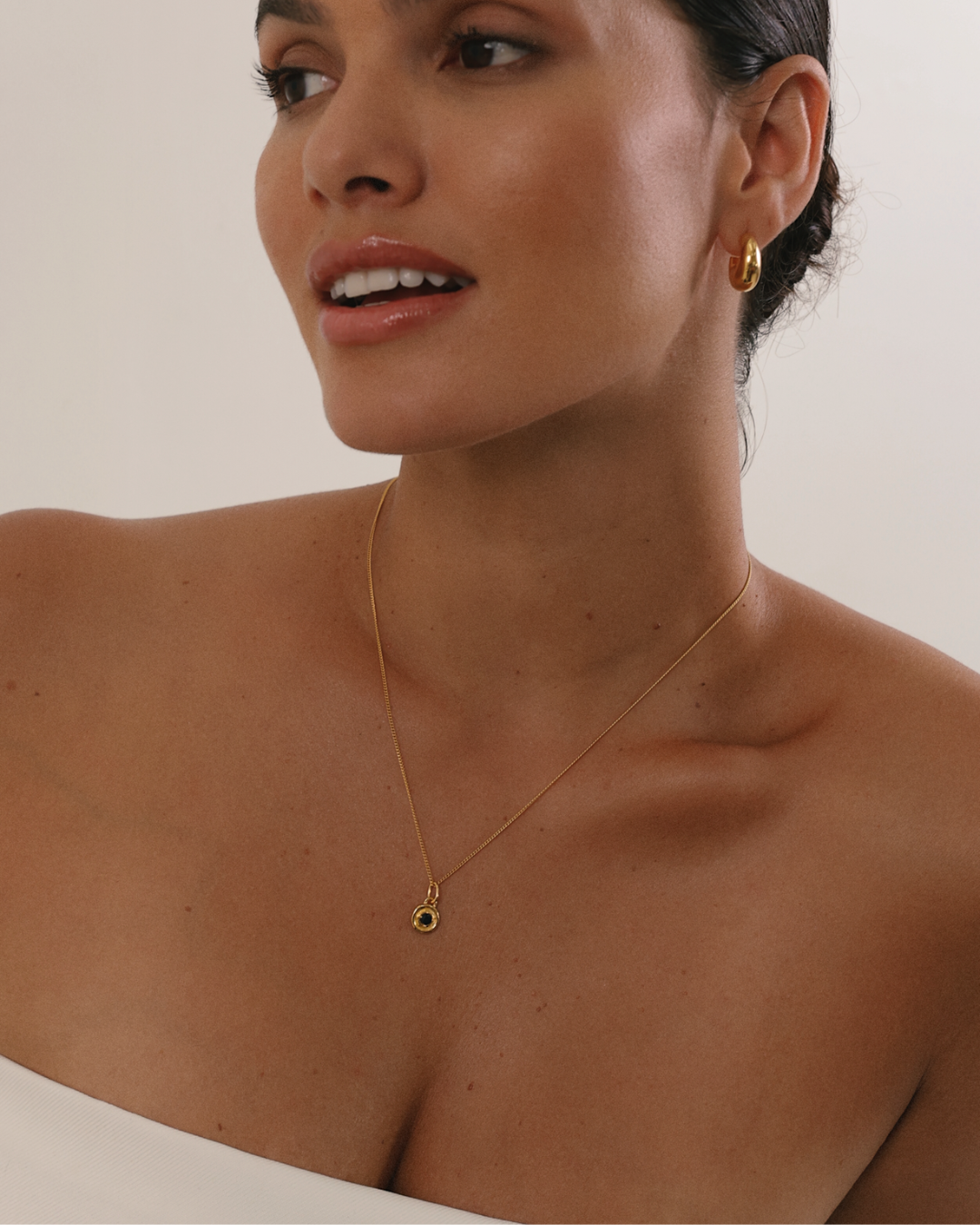
We've got the answer....While we all know (and love) the Deep dark blue we colour of a rich sapphire colour, it actually comes in a variety of shades of light blue, mid blue, Navy blue through to p...
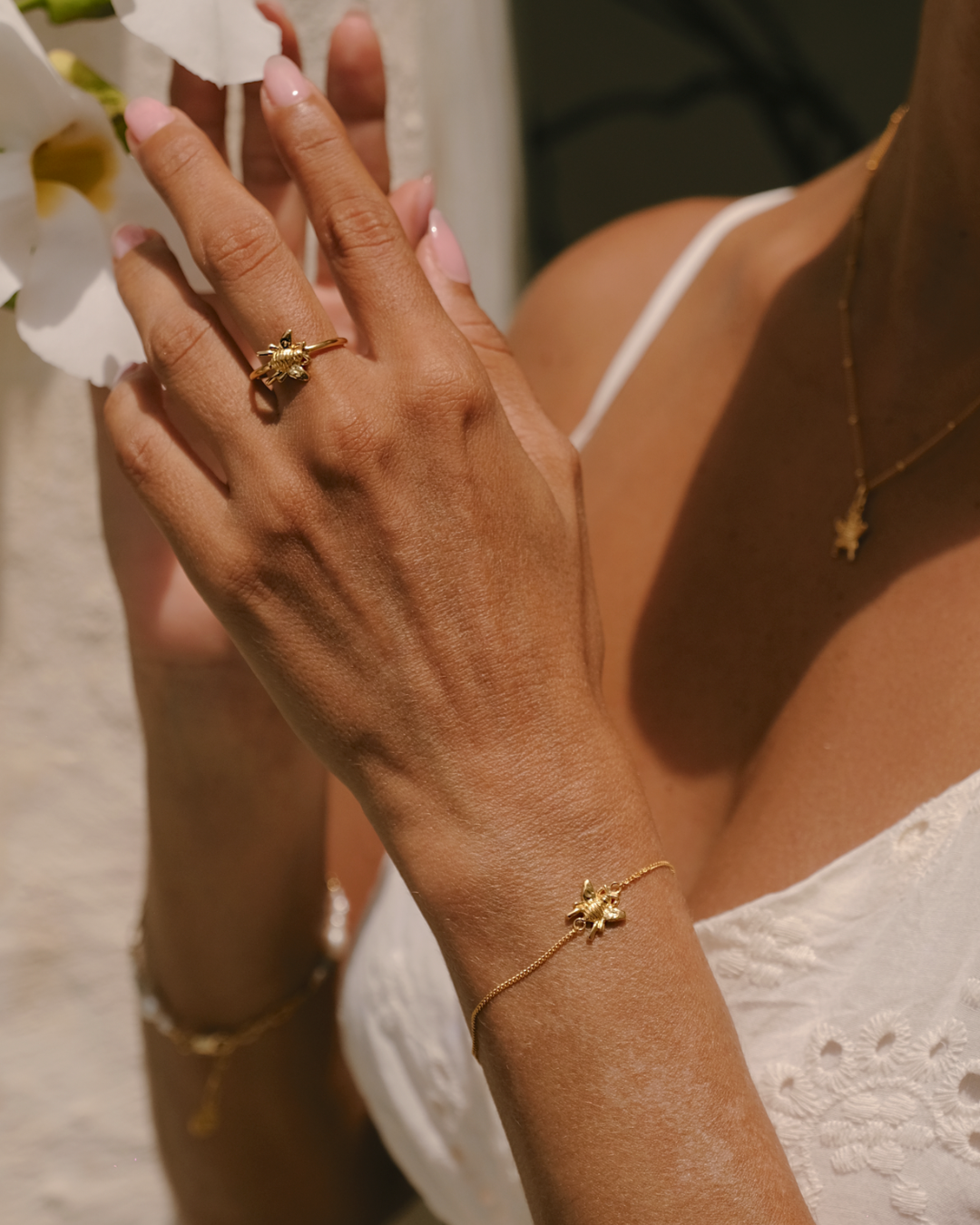
The Honeybee Capsule represents the intersection of luxury and sustainability. By transforming forgotten heirlooms into intentional, beautiful new designs, we provide a blueprint for a circular fut...
BEST SELLERS
Check out the ethical jewellery that our customers are loving this month...